Purchase Order, Invoice or Receipt? Know What Each Document Proves
Learn what an order, delivery record, supplier invoice and payment receipt each prove. Use a simple example to check the quantity before paying.
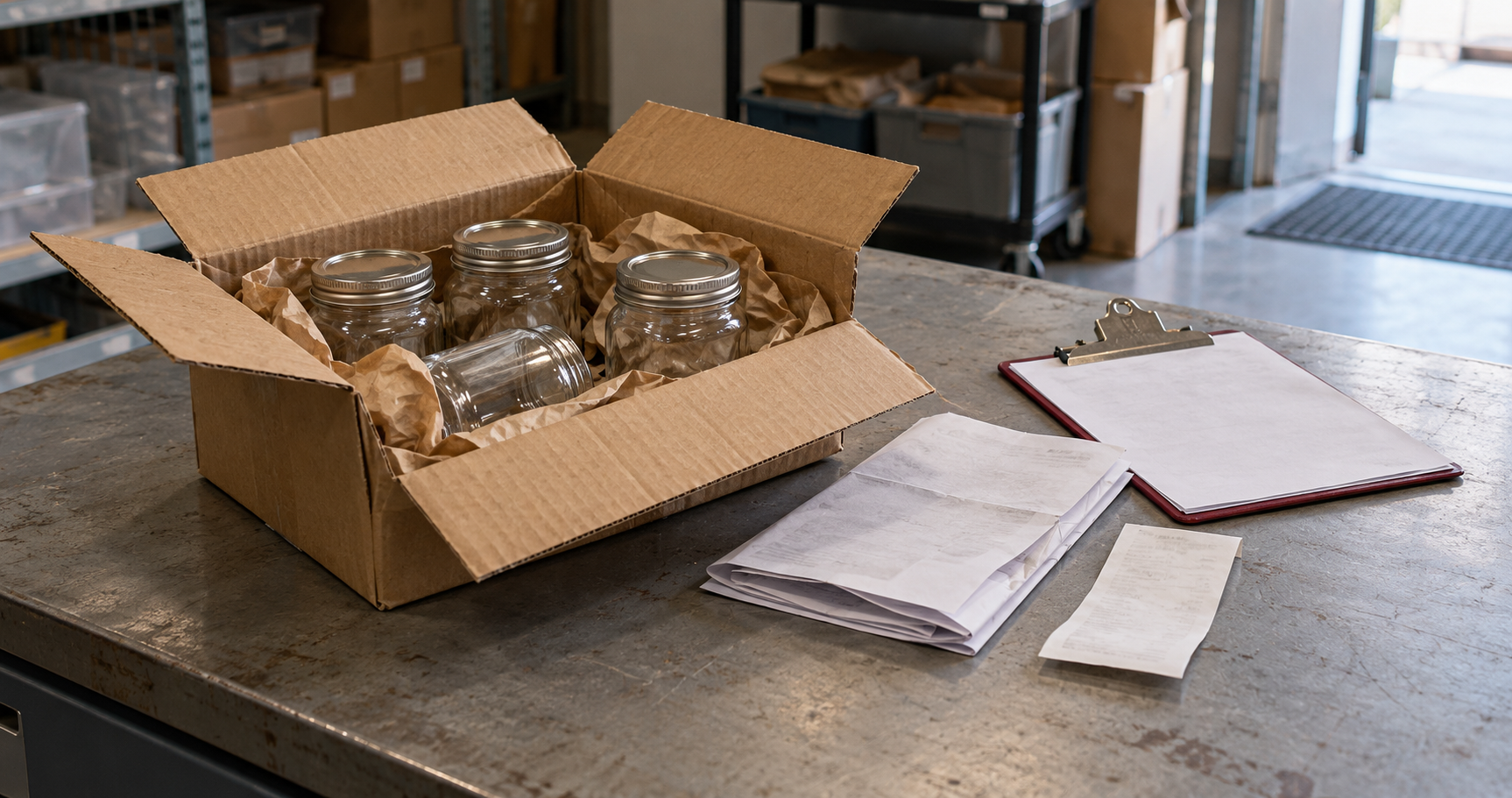
A purchase order says what a buyer intends to order. An invoice says what the supplier is charging. A receipt can acknowledge payment—but a goods-received record describes delivery. Treating all four as “the paperwork” makes it easy to pay the wrong quantity or lose evidence of what actually happened.
You do not need a large purchasing department. Keep the right document at each step and ask someone responsible to resolve any difference.
Four documents, four purposes
| Document | Main purpose | What it does not prove alone |
|---|---|---|
| Purchase order | Records the buyer's authorized order and agreed details | That goods arrived or payment occurred |
| Goods-received record | Documents actual delivery, quantities and exceptions | That the supplier's price is correct |
| Supplier invoice | Requests payment for identified goods or services | That everything was received or paid |
| Payment receipt or remittance evidence | Supports a settlement or its allocation | Every detail needed to validate the original purchase or tax claim |
Names vary. A till receipt may combine item details, tax and payment information; a packing slip may list delivery without proving payment. Read the contents rather than assuming a file called “receipt” answers every question.
An accepted purchase order may form part of a contract, depending on the circumstances. When to record a cost also depends on the facts and accounting policy. Placing an order does not automatically mean you should record an expense.
Compare the order, delivery and invoice
A hypothetical workshop orders 18 storage bins at $32 each. The approved order totals $576 before taxes and delivery. The receiving record shows that only 15 bins arrived in good condition, while the supplier invoices all 18.
Ordered: 18 × $32 = $576. Received: 15 × $32 = $480. Quantity difference: 3 bins, equivalent to $96 before tax and any other charges.
Comparing these three records is called a three-way match. It shows a difference, but not how to fix it. The missing bins may be waiting to ship, coming in another delivery or billed by mistake.
Ask the responsible buyer to resolve the difference with the supplier. Depending on the agreement, an approved partial payment, later delivery or credit might be appropriate. Do not silently rewrite the invoice, assume the missing bins arrived or withhold an entire payment without considering the actual terms.
Handle exceptions without losing the trail
Record the supplier, order reference, invoice number, delivery date and person who checked receipt. Keep the missing-quantity question with its answer. If replacement goods arrive later, attach that evidence to the same purchasing story.
Price differences need their own review. Freight, tax, discounts and authorized changes can explain a total that differs from the original order; they are not automatically errors. Check whether a revised order or additional approval exists.
For services, keep proof that the work was accepted. This might be an approved project stage, confirmation of completed work or an authorized timesheet. You cannot check every purchase by counting boxes. If an invoice has no purchase order, get the required approval for that exception. Do not invent an old order after the fact.
Pay once and close the purchasing file
Before payment, check that the invoice has not already been entered under a different attachment or paid as part of another batch. Supplier identity and bank-detail changes should follow the organization's independent verification process, not an instruction found only on an unexpected invoice.
After settlement, match the payment to the correct bill and confirm any remaining backorder or credit. Keep unresolved deliveries open as operational tasks even if an approved partial invoice has been paid. Payment status and delivery status are not the same field.
Bookwits can help assign follow-ups and organize documents. It does not create purchase orders, manage inventory or make supplier payments in the workflow described here. Keep the official accounting and purchasing records in the systems designed for that work.
Frequently asked questions
Is a packing slip enough to approve an invoice?
Not on its own. It can support delivery, but you still need the authorized price, terms and any other required approvals before deciding what should be paid.