Small-Business Expenses in Canada: Records, Business Use and Common Mistakes
Build an evidence-first expense process, separate personal use, understand current versus capital questions and avoid treating a deduction as a full refund.
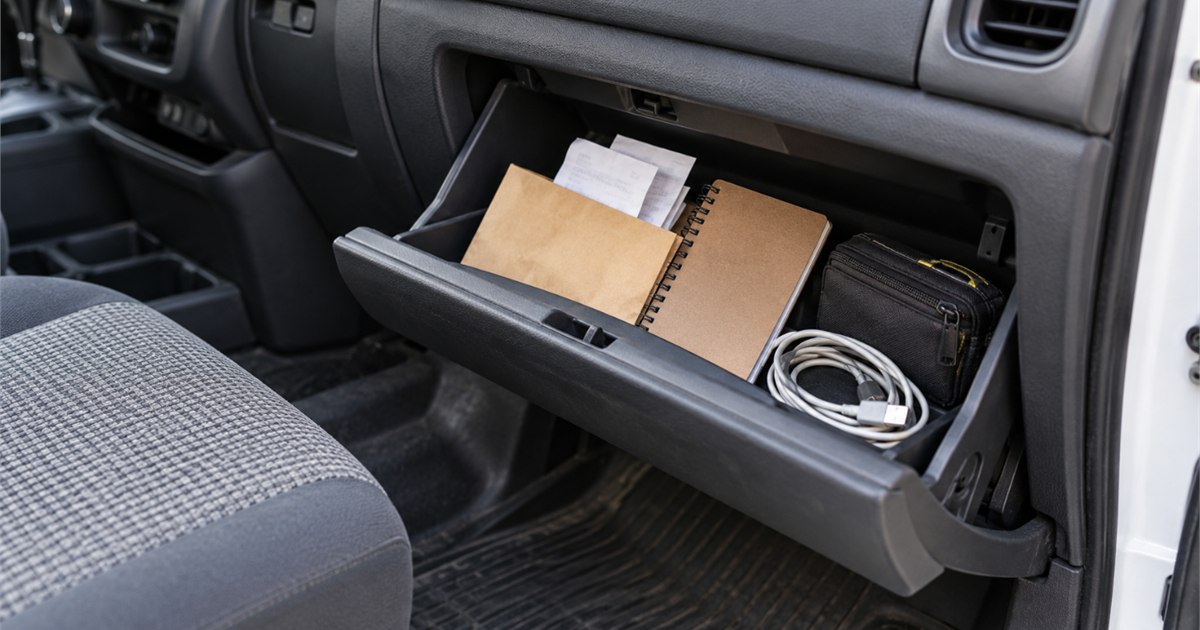
A purchase does not become deductible simply because it was paid from a business bank account or photographed with a phone. Canadian business-expense review starts with the purpose, facts, supporting records and rules for the category. The account name alone is not the answer.
This guide helps you organize expense records. It is not a personal list of tax deductions, the costs you may subtract when calculating taxable income. Rules differ by business type, activity and expense. Check current Canada Revenue Agency (CRA) guidance and qualified advice for limits, long-term purchases, home-office costs, vehicles and other specific situations.
1. Record what the expense was for
Keep the supplier document and explain the business purpose while it is still easy to remember. A bank line can help prove payment, but it may not identify what was bought, whether it was personal or how sales tax was charged. An unsupported description such as “miscellaneous” rarely helps the reviewer.
Connect the record to the correct entity and activity. An owner with two businesses should not assign an expense to whichever account has available money. If an employee or owner paid personally, retain the evidence and use the appropriate reimbursement or owner-account treatment rather than losing the cost or recording it twice.
When a receipt is missing, seek a replacement or other appropriate support and flag the gap. Do not invent a supplier document, alter its date or assume a handwritten label resolves every substantiation requirement.
2. Separate business use from personal use
Suppose a monthly phone service costs $120 before any sales-tax considerations. A supportable review identifies 60% business use. The illustrative business portion is $72, with $48 personal. The business-use percentage needs a reasonable basis; it should not be selected simply to maximize a claim.
| Calculation | Amount |
|---|---|
| Monthly service | $120 |
| Business share: $120 × 60% | $72 |
| Personal share: $120 × 40% | $48 |
Other categories can require different evidence and methods. Vehicle use may need a trip log and operating records; business-use-of-home claims have eligibility and calculation conditions. Do not extend the phone example into a universal formula for every mixed-use asset or cost.
3. Distinguish an operating cost from an asset
A day-to-day operating expense can be treated differently from a capital purchase, which gives the business a longer-term benefit. Paying now does not prove you can deduct the full cost now. Equipment, improvements and other lasting benefits may need to follow the rules for capital assets and deductions spread over time.
Price alone does not decide whether a cost is a current expense or a capital purchase. Check what was bought, the rules that apply and the business’s accounting policies. Repairs, replacements and improvements may need a closer look. Do not classify them just by the supplier’s name or the card statement description.
Loan principal and owner withdrawals are also not ordinary operating expenses merely because they are cash outflows. Separate principal, interest, personal movements and actual business costs before drawing conclusions about profit or tax.
4. Check restrictions and tax recovery separately
Some categories, including meals and entertainment, have special limitations and exceptions. Home-office, vehicle and other costs have their own conditions. Do not assume the full business-purpose amount is always deductible or that a creator's “top write-offs” video overrides the current CRA rules.
A deduction reduces the relevant taxable-income calculation when allowed; it is not a dollar-for-dollar refund of the purchase. Buying an unnecessary item to obtain a deduction still costs money. The actual tax result depends on the business and the person's circumstances.
Check sales-tax recovery separately. Input tax credits can recover qualifying goods and services tax (GST) or harmonized sales tax (HST) paid on purchases. Quebec sales tax (QST) recovery also has its own conditions where applicable. Check eligibility and required documents. Recoverable tax can change the expense or asset cost. Do not recover the full tax and also leave that same tax in the deductible cost without adjustment.
5. Use an evidence-first monthly review
For each uncertain item, record the supplier, date, amount, entity, business purpose, supporting document and decision required. Keep an estimate or proposed treatment clearly separate from an approved conclusion. Access to sensitive receipts should be limited to the people who need them.
- Match the document with the bank or card entry without duplicating it.
- Identify personal, mixed-use and owner-paid items.
- Flag potential assets, prepayments and restricted categories.
- Check refunds and credits against the original cost.
- Record missing evidence, the responsible person and the review outcome.
Retain records according to the applicable requirements and business policies. A tidy folder is useful, but the documents must remain readable, traceable and available for the relevant period. Do not destroy originals or historical support merely because a monthly task is complete.
6. Keep the decision in the right place
The accounting system records the expense, asset and tax treatment. The adviser or authorized reviewer decides uncertain classifications. Bookwits can support document organization, client questions and follow-up tasks; it does not certify deductions or calculate the resulting tax return.
At handover, provide the reviewed expense report, unresolved questions and approved adjustment references. A visible exception list is better than silently coding everything to a convenient category. Next month, check whether missing evidence was obtained and whether repeated issues need a clearer client intake process.
Frequently asked questions
Is a bank statement enough to claim every expense?
Not necessarily. It may show payment without identifying the purchased item, business purpose or required tax details. Keep appropriate invoices, receipts and other support. Where evidence is missing, investigate and obtain advice rather than assuming a bank line establishes the whole deduction.
Does a deduction refund the full purchase price?
No. An allowable deduction affects the taxable-income calculation; it is not automatically a refund equal to the expense. Tax rates, limits and circumstances matter. GST/HST or QST recovery is a separate question, with its own conditions and records.
Can I claim all of a mixed personal and business cost?
Do not assume so. Establish the eligible business portion using the method and evidence appropriate to that category, then check any additional restrictions. Vehicle, home-office, capital and other items can follow different rules; one convenient percentage is not a universal solution.